
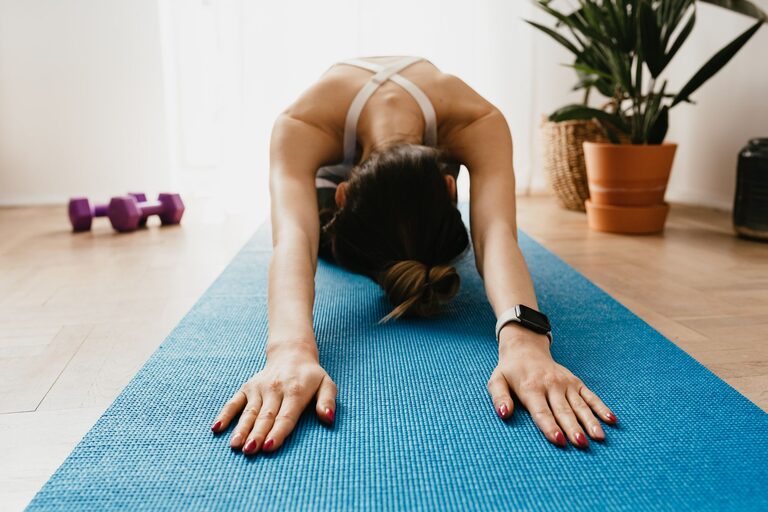

Stretching is a simple yet powerful way to enhance your physical health and mental well-being. It helps improve flexibility, reduce muscle tension, and promote better circulation. The best part? You can do it easily at home with little to no equipment. This beginner’s guide will walk you through the basics of stretching at home, how to create a routine, and some easy stretches to get started.
Why Stretch at Home?
Incorporating stretching into your daily routine at home offers many benefits:
– Improved flexibility: Regular stretching helps lengthen muscles and increase your range of motion.
– Reduced muscle tension: Stretching can relieve tightness and soreness after sitting or physical activity.
– Better posture: Stretching muscles regularly can help correct imbalances and support good posture.
– Stress relief: Gentle stretching encourages relaxation and can help ease mental tension.
– Convenience: Doing stretches at home costs nothing, takes little space, and fits into any schedule.
Important Tips Before You Start Stretching
Before jumping into stretches, keep these beginner guidelines in mind:
– Warm up first: Stretching cold muscles can cause injury. Warm up with a light walk or gentle movements for 5-10 minutes.
– Breathe naturally: Don’t hold your breath while stretching. Breathe deeply and steadily.
– Go slow: Ease into stretches slowly until you feel gentle tension. Avoid bouncing or forcing a stretch.
– Hold for at least 20 seconds: To gain flexibility benefits, hold each stretch for 20 to 30 seconds.
– Listen to your body: Stretching should never be painful. If you feel sharp or intense pain, stop immediately.
– Be consistent: Stretching regularly (3-5 times a week) yields the best results.
Basic Stretching Routine for Beginners
Here’s a simple routine you can do at home in about 10-15 minutes. Aim to perform this routine daily or several times a week to build flexibility and ease muscle tension.
1. Neck Stretch
– Sit or stand tall.
– Slowly tilt your head toward your right shoulder until you feel a stretch on the left side of your neck.
– Hold for 20-30 seconds.
– Repeat on the other side.
2. Shoulder Stretch
– Bring your right arm across your body at chest height.
– Use your left hand to gently press your right arm closer to your chest.
– Hold for 20-30 seconds.
– Switch sides.
3. Triceps Stretch
– Raise your right arm overhead, bending the elbow so your hand reaches toward your upper back.
– Use your left hand to gently press your right elbow.
– Hold for 20-30 seconds.
– Repeat on the left arm.
4. Chest Opener
– Stand or sit with your fingers interlaced behind your back.
– Straighten your arms and lift your chest while squeezing your shoulder blades together.
– Hold for 20-30 seconds.
5. Cat-Cow Stretch (Spine Mobility)
– Get on all fours with your hands under your shoulders and knees under your hips.
– Inhale, arch your back by lifting your head and tailbone (Cow Pose).
– Exhale, round your back by tucking your chin and tailbone (Cat Pose).
– Repeat for 5 breaths.
6. Seated Forward Bend
– Sit on the floor with your legs extended straight.
– Inhale, lengthen your spine.
– Exhale, hinge at your hips and lean forward toward your toes.
– Hold the stretch without forcing, keeping your back as straight as possible.
– Hold for 20-30 seconds.
7. Hip Flexor Stretch
– Kneel on your right knee, left foot flat on the floor in front.
– Shift your weight forward slightly to stretch the hip flexor of the right leg.
– Keep your back straight.
– Hold for 20-30 seconds.
– Switch sides.
8. Hamstring Stretch
– Lie on your back and lift your right leg toward the ceiling.
– Hold your thigh, calf, or ankle (whichever you can reach) and gently pull your leg toward you.
– Keep the left leg bent or flat on the floor.
– Hold for 20-30 seconds.
– Repeat with the left leg.
Creating Your Own Stretching Space at Home
You don’t need a big area or special equipment to stretch:
– Use a yoga mat or soft carpet.
– Wear comfortable clothes that allow freedom of movement.
– Find a quiet, well-ventilated space where you won’t be disturbed.
– Consider using props like a strap, towel, or foam roller for assistance if available.
How to Stay Motivated
Starting a new habit can be challenging. Here are a few ideas to keep you motivated:
– Set a specific time each day for stretching.
– Pair stretching with activities you enjoy, such as listening to music or podcasts.
– Track your progress by noting improvements in flexibility or how you feel.
– Invite a friend or family member to stretch with you virtually or in person.
– Remember that even a few minutes of stretching is better than none.
When to See a Professional
If you experience persistent pain, stiffness, or mobility issues, consider consulting a healthcare professional or certified fitness instructor. They can provide personalized guidance to ensure you stretch safely and effectively.
Final Thoughts
Stretching at home is an accessible and beneficial practice for people of all fitness levels. With minimal time and effort, you can improve your flexibility, reduce muscle tension, and enhance your overall well-being. Start slow, be consistent, and enjoy the positive changes that regular stretching brings to your daily life.