How to Plan Meals Using Pantry Staples for Easy, Budget-Friendly Cooking

When it comes to meal planning, one of the best ways to save time and money is by using the ingredients you already have in your pantry. Pantry staples are versatile, long-lasting items that form the backbone of many meals. By learning how to plan meals from these essentials, you can reduce food waste, avoid last-minute grocery runs, and create satisfying dishes with minimal effort.
In this post, we’ll guide you through steps to plan meals using common pantry staples, share tips to keep your pantry organized, and offer recipe ideas that make the most of what you have on hand.
What Are Pantry Staples?
Pantry staples are non-perishable foods that you keep in your kitchen for everyday cooking. These items usually include:
– Rice, pasta, and grains
– Canned beans and vegetables
– Cooking oils and vinegar
– Spices and herbs
– Flour, sugar, and baking essentials
– Broth or bouillon cubes
– Canned tomatoes and tomato paste
Having these basics stocked means you can whip up meals without relying heavily on fresh ingredients or specialty items.
Step 1: Take Inventory of Your Pantry
Before planning meals, it’s important to know exactly what you have. Set aside some time to:
– Check expiration dates and discard expired items.
– Group similar items together (e.g., all canned goods, spices, grains).
– Make a list of key ingredients and quantities.
This inventory acts as a foundation, helping you avoid buying duplicates and encouraging creativity with what’s available.
Step 2: Identify Meal Types You Can Make
Pantry staples can be the starting point for various types of meals, such as:
– Soups and stews: Use canned beans, broth, canned tomatoes, and spices.
– Pasta dishes: Combine dried pasta, canned tomatoes, olive oil, and seasoning.
– Rice bowls: Base meals on rice with beans, vegetables, and sauces.
– Baked goods: Flour, sugar, baking powder, and other basics enable bread, muffins, or pancakes.
– Salads and sides: Use canned vegetables, grains, and dressings made from pantry ingredients.
By categorizing meal types, you can focus on planning a balanced week of meals.
Step 3: Plan Your Meals Around Core Ingredients
Once you have your inventory and know your meal categories, choose a core ingredient for each meal. For example:
– Monday: Chickpea and vegetable stew (using canned chickpeas and canned vegetables)
– Tuesday: Spaghetti with tomato sauce (dried pasta and canned tomato)
– Wednesday: Rice and beans bowl (white rice and canned black beans)
This approach helps streamline grocery shopping later and simplifies meal prep.
Step 4: Add Fresh Ingredients as Needed
While pantry staples are versatile, incorporating some fresh items can enhance flavor and nutrition. Plan your grocery list to include:
– Fresh vegetables (onions, garlic, carrots)
– Fresh herbs (cilantro, parsley)
– Proteins (eggs, tofu, chicken)
Try to buy fresh ingredients that complement your pantry items and can be used in multiple meals, reducing waste.
Step 5: Prepare and Store Meals in Advance
Batch cooking can save time during busy weekdays. Consider:
– Cooking a large pot of soup or stew and refrigerating leftovers.
– Boiling extra rice or pasta to use in different meals.
– Pre-chopping vegetables if they’ll be used soon.
Use airtight containers to store prepared meals and clearly label them with dates.
Tips for Keeping Your Pantry Organized
An organized pantry makes meal planning easier. Here are some ideas:
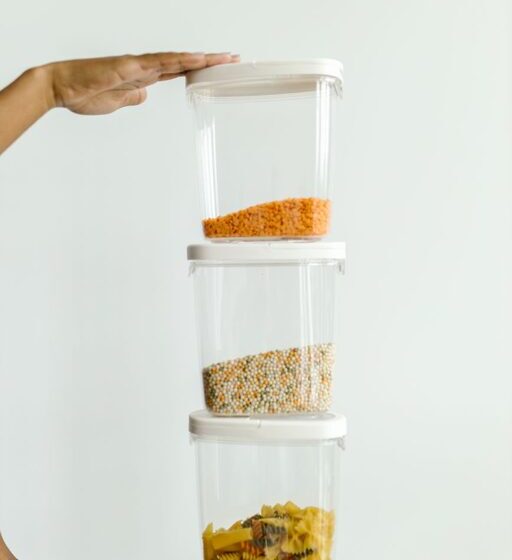
– Use clear, labeled containers for dry goods.
– Arrange items by category or frequency of use.
– Place frequently used staples at eye level.
– Keep a whiteboard or notepad on the pantry door for jotting down running inventory or meal ideas.
These practices allow you to quickly see what you have and plan accordingly.
Recipe Ideas Using Pantry Staples
Here are simple recipes that rely mostly on pantry items:
1. Quick Chickpea Curry
– 1 can of chickpeas, drained and rinsed
– 1 can of diced tomatoes
– 1 onion (optional)
– 2 cloves garlic (optional)
– 1 tablespoon curry powder
– 1 cup broth or water
Sauté onion and garlic in oil, add curry powder, then stir in tomatoes, chickpeas, and broth. Simmer for 15 minutes. Serve over rice.
2. Pasta Aglio e Olio
– Spaghetti or any pasta
– Olive oil
– Garlic cloves, thinly sliced
– Red pepper flakes (optional)
– Parsley or dried herbs
Cook pasta according to package directions. In a pan, warm olive oil, sauté garlic until golden. Toss pasta with garlic oil, add red pepper flakes and herbs.
3. Bean and Rice Bowl
– Cooked rice
– Canned black beans, drained
– Canned corn
– Salsa or canned tomatoes
– Spices: cumin, chili powder
Combine rice, beans, corn, and salsa. Heat and season with spices. Top with cheese or avocado if available.
Conclusion
Planning meals around pantry staples is a practical, cost-effective way to manage your cooking. By maintaining a stocked and organized pantry, keeping track of your ingredients, and getting creative with recipes, you can reduce stress and enjoy home-cooked meals every day. Take some time to plan your week ahead, and you’ll find meal prep becomes simpler and more enjoyable.
Remember, the key is to start with what you have and build around it. Happy cooking!