
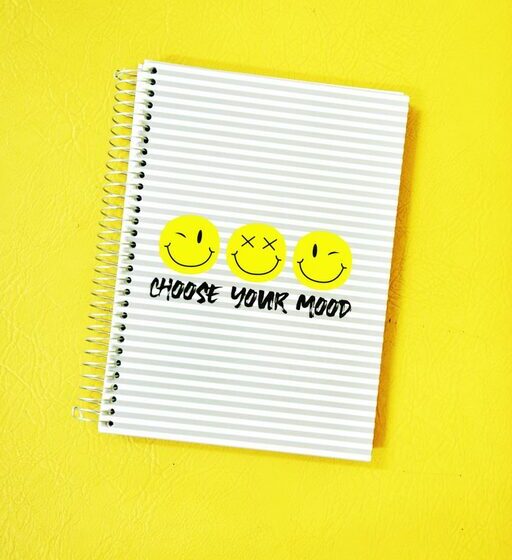

Choosing the right notebook might seem like a small decision, but it can have a big impact on how often you use it and how organized your thoughts become. Whether you want a place to jot down ideas, plan your day, or keep a journal, the right notebook can make all the difference. This guide will help you select a notebook that fits your needs and inspires you to write regularly.
Why Choosing the Right Notebook Matters
Notebooks come in many shapes, sizes, and styles. Picking one that doesn’t suit your preferences can result in unused pages and wasted money. On the other hand, a well-chosen notebook encourages consistent use, helps track progress, and makes writing more enjoyable.
Consider Your Purpose
Start by thinking about how you plan to use the notebook.
Journaling or Personal Writing
If you want a diary or a place for personal thoughts, look for a notebook with quality paper and a cover that feels special to you. A medium size like A5 is often comfortable to carry and write in.
Work or School Notes
For professional or academic use, prioritize organization features such as numbered pages, an index, or sections. A durable cover and sturdy binding help the notebook withstand daily handling.
Creative Projects
Artists or writers might prefer notebooks with blank or dotted pages to allow for sketches, mind maps, and free-form notes.
Choose the Right Size
Notebooks come in various sizes, and the best one depends on your lifestyle.
– Pocket-sized (A6 or smaller): Easy to carry but limited writing space.
– Medium-sized (A5): Popular for balancing portability and ample space.
– Large (A4 or larger): Better for detailed notes or sketches but less portable.
Consider where you’ll use the notebook most. If you’re always on the go, a smaller one might be better. For desk use, large notebooks offer more room.
Binding Types: Pros and Cons
How a notebook is bound affects usability and durability.
– Spiral-bound: Pages lie flat and can be folded back, great for note-taking. However, spirals can get bent or caught.
– Hardcover with sewn binding: Durable and often higher quality. They open flat but are less flexible for folding back.
– Softcover with glue binding: Lightweight and cheap but may not last as long or lie flat easily.
Choose the binding that suits how you write and carry your notebook.
Paper Quality and Format
Paper thickness and format influence how your writing looks and feels.
Paper Weight
Measured in grams per square meter (gsm), thicker paper reduces ink bleed-through. For pen users, 70-100 gsm is common. If you prefer markers or fountain pens, look for 100 gsm or more.
Paper Color
White paper offers high contrast, while cream or off-white can be softer on the eyes. The choice is mostly personal preference.
Page Format
– Lined: Ideal for writing.
– Grid: Useful for sketches, graphs, or math.
– Dotted: Offers subtle guidance without constraining creativity.
– Blank: Best for drawing and unstructured notes.
Cover Material and Design
Your notebook’s cover affects its durability and your motivation to use it.
– Leather or faux leather: Durable and classy.
– Cloth: Soft feel, can get stained.
– Plastic: Water-resistant and practical.
– Cardboard: Lightweight but less durable.
Pick a cover that matches your style and use environment.
Additional Features to Look For
Some notebooks come with extras that can enhance your experience.
– Elastic closure: Keeps the notebook closed and pages secure.
– Ribbon bookmark: Helps you quickly find your current page.
– Pen loop: Convenient for carrying a pen with your notebook.
– Pocket inside cover: Handy for storing notes, receipts, or stickers.
Test Before You Commit
If possible, visit a store to handle different notebooks. Feel the paper, flip through pages, and check how the notebook lays on the table. If shopping online, read reviews and pay attention to pictures.
Tips for Using Your Notebook Regularly
Choosing the right notebook is just the start. Here’s how to make sure you actually use it:
– Keep it accessible: Store it where you spend most of your time.
– Set small goals: Write a few lines daily or keep a list.
– Personalize it: Add stickers, drawings, or color-coding.
– Use quality pens: Enjoyable writing tools make a difference.
– Review your notes: Reflecting helps maintain interest.
Final Thoughts
Finding a notebook you’ll actually use is about understanding your habits and preferences. From size and paper type to cover design and binding, each detail matters. With the right notebook in hand, you’ll be more motivated to write, plan, and create every day. Happy writing!