
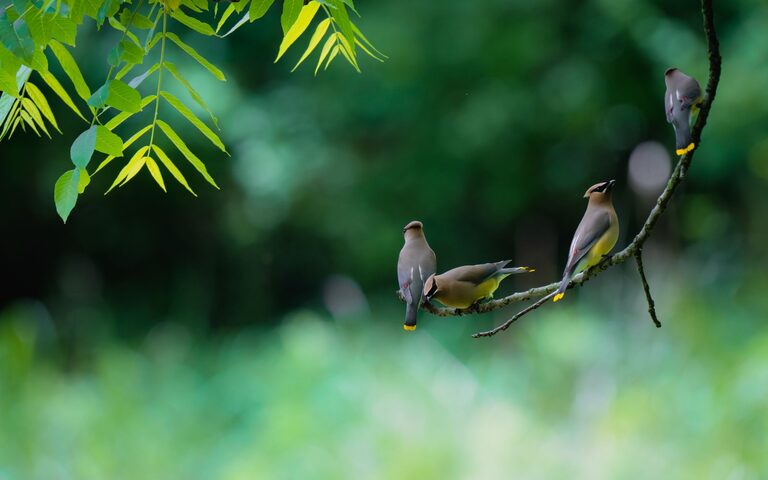

Birdwatching is a relaxing and rewarding hobby that anyone can enjoy, especially from the comfort of their own backyard. Whether you live in a busy city or a quiet suburb, your outdoor space can become a haven for local birds. If you’re just starting out, this guide will offer practical tips to help you attract and observe birds right at home.
Why Backyard Birdwatching?
Birdwatching connects you with nature and helps you slow down to appreciate the small wonders around you. It can be done anytime, requires minimal equipment, and is suitable for all ages. Plus, encouraging birds to visit your garden supports local ecosystems.
Getting Started: Essential Tools
You don’t need much to begin birdwatching. Here are a few basics:
– Binoculars: A good pair of binoculars helps you see details from a distance.
– Field Guide or App: Use a bird identification book or a smartphone app to recognize species.
– Notebook or Journal: Keep track of the birds you see and note interesting behaviors.
– Camera (optional): Capture photos to help with identification or simply to enjoy their beauty later.
Creating a Bird-Friendly Backyard
Attracting birds means making your yard a welcoming space for them. Consider these key elements:
1. Provide Food
Birds need energy, especially during colder months. Offer a variety of food to attract different species:
– Seed Feeders: Black oil sunflower seeds attract many birds.
– Suet Cakes: Great for woodpeckers and insect-eaters.
– Fruit: Oranges, apples, and berries can draw fruit-eating birds.
– Nectar Feeders: Hummingbirds love nectar feeders filled with sugar water.
2. Water Sources
Birds need water for drinking and bathing. Add a birdbath, shallow dish, or fountain. Keep the water fresh and clean to encourage visits.
3. Shelter and Nesting Spots
Birds seek safe places to hide and raise their young. Plant native shrubs and trees to provide cover. You can also install birdhouses suitable for local species.
4. Avoid Harmful Chemicals
Pesticides and herbicides can be dangerous to birds. Try natural gardening methods to maintain a healthy environment.
Observing Birds: Tips for Success
Being patient and observant enhances your birdwatching experience.
– Choose a Quiet Spot: Find a comfortable seat where birds feel safe.
– Watch at Peak Times: Early morning and late afternoon are usually best.
– Stay Still and Quiet: Sudden movements or noise can scare birds away.
– Use Your Senses: Listen for bird songs and calls to help locate them.
– Record Your Observations: Note what you see, the species, behaviors, and times of day.
Identifying Common Backyard Birds
Start by learning birds commonly found in your area. Some frequent visitors might include:
– Cardinals
– Blue Jays
– Chickadees
– Sparrows
– Robins
– Woodpeckers
– Hummingbirds
Using your field guide or app, compare physical features like size, color, beak shape, and behaviors to identify them.
Respecting Wildlife
Birdwatching is best when done ethically:
– Keep feeders clean to prevent disease.
– Don’t disturb nests.
– Avoid feeding bread or processed foods, which can harm birds.
– Respect private property and follow local guidelines.
Expanding Your Hobby
Once comfortable, you can explore other aspects of birdwatching:
– Join local birdwatching groups or online forums.
– Participate in bird counts and conservation events.
– Learn about bird migration and seasonal changes.
– Try sketching or photographing birds.
Final Thoughts
Backyard birdwatching is a wonderful way to enjoy nature daily. With simple steps, you can create a space that supports birds and offers endless moments of joy. Start small, be patient, and watch as your feathered visitors bring life and color to your yard.
Happy birdwatching!